The role of post-translational modifications in drug discovery and how peptide microarrays enable their validation
Article
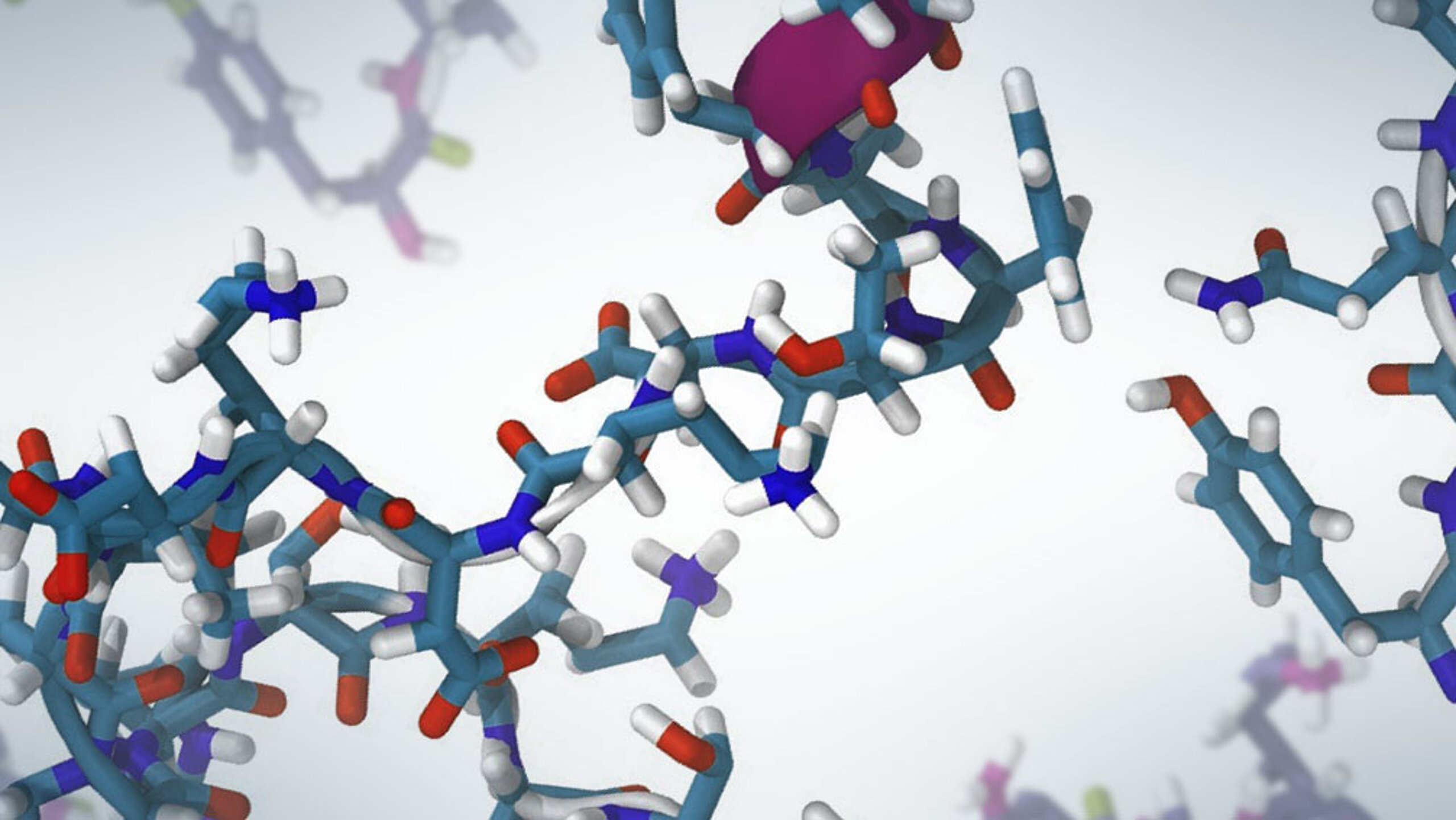
Proteins perform most of the essential tasks in cells, but their true diversity emerges only after they’re made. Through post-translational modifications (PTMs) – chemical changes such as phosphorylation, glycosylation, acetylation, or ubiquitination – proteins gain new properties that regulate their activity, stability, and interactions.
These modifications act as molecular switches that control everything from cell division to immune responses. However, when PTMs go wrong, the consequences can be severe: aberrant phosphorylation drives many cancers, misfolded glycoproteins contribute to neurodegenerative diseases, and autoimmune responses can target modified “self” proteins such as citrullinated peptides in rheumatoid arthritis.
Given this, PTMs are increasingly central to drug discovery and biomarker development. Many approved drugs already act by targeting PTM enzymes: kinase inhibitors modulate phosphorylation signaling in cancer, and histone deacetylase (HDAC) inhibitors restore tumor suppressor gene activity through acetylation control.
But leveraging PTMs requires precision. Researchers must confirm whether a modification truly exists, at which site, and whether a therapeutic agent interacts with it specifically. This is where peptide microarray technology provides a vital solution.
The peptide microarrays allow thousands of peptides (including variants with site-specific modifications) to be synthesized and analyzed in parallel, making it possible to validate PTM-dependent interactions efficiently and at scale.
By enabling large-scale validation of PTM-dependent interactions, peptide microarrays have become essential tools for modern drug discovery. Before exploring their applications, it’s worth looking at the different types of PTMs that shape protein behavior, and why they matter so much for health and disease.
The many faces of PTMs
Scientists have identified more than 650 distinct PTM types, each acting as a unique regulatory layer over the genetic code.
The most prominent include:
| PTM | Key roles in cells | Associated diseases |
|---|---|---|
| Phosphorylation (add phosphate) | Controls signal transduction, cell cycle, and metabolism. Catalyzed by kinases and reversed by phosphatases. | Cancer, neurodegenerative diseases, diabetes. |
| Acetylation (add acetyl group) | Regulates gene expression and chromatin structure, affects metabolism. Reversible by HAT/HDAC enzymes. | Cancer, neurodegeneration (e.g. Alzheimer’s, Parkinson’s). |
| Methylation (add methyl group) | Epigenetic regulation (histone/DNA modulation), fine-tunes signaling. Often reversible by methyltransferases/demethylases. | Cancer, developmental and neurodevelopmental disorders. |
| Ubiquitination (add ubiquitin protein) | Marks proteins for degradation via the proteasome, also alters protein trafficking and DNA repair. Reversible by deubiquitinase enzymes. | Cancer, neurodegenerative and inflammatory disorders. |
| Glycosylation (add sugar chains) | Aids protein folding and stability, mediates cell-cell recognition and immune responses. Largely irreversible enzymatic addition. | Diabetes, congenital glycosylation disorders, cancer. |
As the table illustrates, PTMs can decorate a protein surface with diverse chemical groups (e.g., phosphate, methyl, acetyl, or sugar moieties), each with profound biological consequences.
Moreover, PTMs often interact in a “cross-talk” network (one modification influencing another), generating complex regulatory “codes” like the histone code in epigenetics.
Because PTMs influence nearly every aspect of protein behavior, changes in their regulation can have profound effects on disease. This makes them not only essential to understand but also attractive targets for therapeutic intervention.
PTMs as drug targets
Because they regulate essential pathways, PTMs are prime therapeutic targets.
There are two main drug strategies related to PTMs:
1. Targeting PTM enzymes or readers
- Kinase inhibitors (e.g., imatinib) block abnormal phosphorylation signaling.
- HDAC inhibitors such as vorinostat preserve acetylation on tumor suppressor genes.
- Bromodomain inhibitors like JQ1 prevent acetyl-lysine recognition and gene overexpression in cancer
2. Targeting modified proteins or sites directly
- Antibodies can be designed to recognize only the phosphorylated form of a protein.
- In autoimmune diseases, peptide-based therapies are being explored to neutralize anti-PTM antibodies (e.g., citrullinated peptides in rheumatoid arthritis).
- PTM-specific vaccines, particularly phosphopeptide vaccines, are emerging in cancer immunotherapy, showing promising safety and immunogenicity in early trials.
Yet, these strategies all hinge on one challenge: validation. How can researchers confirm a molecule binds the correct PTM site and nothing else?
That’s precisely where peptide microarrays fit in. By printing both modified and unmodified peptide versions on a glass slide, researchers can directly assess specificity and avoid off-target effects.
PEPperPRINT’s technology is particularly well-suited for this task. The platform’s chemical flexibility allows peptides to incorporate phosphorylated, acetylated, or citrullinated residues, effectively mimicking biological PTMs in vitro.
Microarray strategies in PTM-driven drug discovery
Drug discovery programs targeting PTMs typically employ a combination of strategies: identify a promising PTM or modifying enzyme implicated in disease, screen for molecules (small or large) that modulate it, and then validate those hits.
Peptide microarrays can be used at several of these stages:
1. Identifying PTM hotspots and epitopes
Microarrays help pinpoint disease-relevant modification sites. For example, PEPperPRINT arrays displaying citrullinated peptides have been used to profile autoantibodies in rheumatoid arthritis patients, revealing distinct reactivity patterns between individuals. In immuno-oncology, arrays can map phosphorylated neoantigens recognized by T-cells, an essential information for personalized vaccine design.
2. Screening PTM-dependent interactions
Many proteins bind specifically to modified motifs. Instead of testing one at a time, arrays present thousands of potential binding sites, enabling rapid motif discovery and drug lead optimization.
3. Validating antibody specificity
For therapeutic antibodies, specificity is everything. Peptide microarrays allow scientists to visualize binding to modified versus unmodified peptides at single amino acid resolution, ensuring a phospho-antibody, for instance, doesn’t react with unrelated sites. This kind of regulatory-grade validation is increasingly expected by agencies like the FDA before approval.
4. Vaccine design and epitope mimicry
Peptide microarrays can systematically alter or remove PTMs from peptide sequences to see how immune recognition changes. With PEPperPRINT’s flexibility, researchers can even test multi-PTM combinations (e.g., phosphorylation and acetylation on the same peptide) to study complex immune responses.
While peptide microarrays excel at validating and characterizing PTM-dependent interactions, they are most powerful when combined with discovery tools such as mass spectrometry. Together, these approaches provide a complete view, from identifying potential PTM sites to confirming their biological relevance.
Complementing proteomics: Mass spectrometry meets peptide microarrays
Modern proteomics, particularly high-resolution mass spectrometry (MS), has revolutionized the discovery of PTMs. Researchers can now identify and quantify tens of thousands of modification sites across the proteome in a single experiment. For instance, a 2024 study mapped over 14,000 distinct citrullination sites in human cells using advanced MS-based proteomics, an unprecedented view of how widespread this PTM is.
Mass spectrometry excels at unbiased PTM identification: by scanning for mass shifts on peptides, it can detect known modifications and even discover new ones on proteins of interest. However, MS data alone often raises new questions: Which of these many modified sites actually matter? Does a given PTM affect protein function, or is it incidental? And are antibodies truly recognizing the intended PTM site? This is where peptide microarrays complement proteomics.
While MS is a discovery tool, peptide microarrays are a validation and characterization tool. The two approaches go hand-in-hand in PTM research. Typically, one might use MS to catalog the PTM landscape in a disease versus normal state, generating hypotheses about which modifications are functionally important. Then, peptide microarrays can be deployed to probe those hypotheses in detail, for example, testing if patient-derived antibodies bind specifically to one modified region and not others, or confirming that a suspected phosphorylation site indeed creates a new binding motif for a signaling protein.
In the citrullination study mentioned, after proteomics identified thousands of citrullinated sites, PEPperPRINT microarrays were used to validate antibody reactivity against a subset of those sites, bridging the gap between a large proteomic dataset and clinically relevant biomarkers.
To illustrate how MS and microarrays serve different yet complementary roles, the following table compares these tools (and a couple of other common methods) in the context of PTM analysis:
| Approach | Role in PTM analysis | Strength | Limitations |
|---|---|---|---|
| Mass Spectrometry (Proteomics) | Discovery of PTM sites on proteins in complex samples. Quantifies PTM abundance changes. | Comprehensive: can identify thousands of PTMs across the proteome in one run. Unbiased: no prior knowledge needed, can discover novel modifications. | Requires expensive instrumentation and specialized expertise. May require enrichment for low-abundance PTMs. Provides site IDs and quantities, but not direct functional or binding info. |
| Peptide Microarrays | Targeted validation of PTM-dependent interactions (antibody binding, protein–protein interactions). Epitope mapping at amino acid resolution. | High-throughput testing: thousands of peptides (including modified ones) in parallel. Precise: maps exact residues and PTMs required for binding. Can include a wide range of PTMs and even unusual amino acids. Sensitive: detects binding events with high signal-to-noise. | Requires design of peptide library (prior knowledge of sequences to test). |
| Western Blot / ELISA (using a PTM-specific antibody) | Detection of a particular PTM on a specific protein from a sample. Often used for biomarker validation. | Accessible: common in labs, straightforward protocol. Qualitative/ quantitative: can confirm presence of a PTM on a protein of interest. | Singleplex: one target at a time. Relies on antibody specificity - cross-reactivity can lead to false signals if antibody isn't well validated. Low throughput for scanning multiple sites or proteins simultaneously. |
| X-ray Crystallography / Cryo-EM (structural biology) | Atomic-level characterization of PTM's effect on protein structure or ligand binding. Can confirm drug binding mode to a PTM site. | Detailed insight: reveals how a PTM changes protein conformation or interactions. Useful in drug design: see binding pockets and structural changes directly. | Technically challenging: requires producing modified protein in quantity and crystallizing it. Not high-throughput, typically one structure at a time. |
| Bioinformatics and AI | Prediction of PTM sites and their impact, integration of multi-omics data to prioritize PTM targets. | Broad analysis: can sift large datasets to find patterns. Rapid hypothesis generation: e.g. machine learning predicts which novel PTM sites are likely functional. | Predictions are only as good as the data/ models and require experimental validation. May not account for complex cellular context. Often suggests many candidates, which then need to be tested experimentally (for instance, on a peptide array or via MS). |
Despite the growing sophistication of analytical tools, studying PTMs in drug discovery still presents major challenges, both biological and technical. Understanding these limitations reveals why technologies like peptide microarrays have become so valuable.
Overcoming the challenges of PTM research
Studying PTMs for drug discovery is not without challenges. Biologically, PTMs add layers of complexity: a single protein can have numerous modification sites, which may occur transiently or in combination. A modification might be present only in response to certain signals or in a specific tissue, making it hard to capture.
Technically, detecting a specific PTM often requires highly specific reagents (antibodies or binding proteins) or enrichment steps (as in mass spectrometry workflows), since modified forms can be a tiny fraction of the total protein.
Below, we outline some key challenges and how peptide microarray technology can mitigate them:
1. Ensuring specificity
Cross-reactivity is a major challenge when studying PTMs. PEPperPRINT arrays overcome this by displaying both modified and unmodified peptides side by side, instantly revealing any off-target binding. This comprehensive view is particularly valuable in antibody validation workflows.
2. Capturing complex or conformational epitopes
Some PTM epitopes depend on 3D protein structure. PEPperPRINT addresses this by offering cyclic constrained peptides, which mimic natural protein loops and enable recognition of conformational epitopes.
3. Studying multiple modifications
Some proteins carry several modifications at once; for instance, histones can be both methylated and acetylated at nearby sites. These combinations, known as PTM ‘cross-talk,’ can alter how other molecules interact with the protein. PEPperPRINT’s platform enables synthesis of peptides with multiple modifications, making it possible to study these complex interactions systematically.
4. Sensitivity and dynamic range
PTMs can be rare. Microarrays enhance detection by presenting pure modified epitopes directly, enabling the capture of even weak interactions that might be missed in bulk assays.
5. Reproducibility and standardization
PEPperPRINT’s microarrays are ISO 9001-certified, ensuring reliable, reproducible data. Each microarray slide includes internal reference peptides for easy normalization, reducing experimental variability.
No single method solves all challenges, but peptide microarrays substantially alleviate some of the biggest headaches in PTM research. The technology turns the problem of "too many possible modification sites to test" into a manageable, parallel experiment. In short, peptide microarrays shine in the validation and fine mapping stage, helping researchers navigate the complexity of PTMs with a clear, direct readout.
The future of PTMs in drug discovery
Post-translational modifications are the molecular fine-tuning system of life and understanding them is crucial for developing next-generation therapies. From kinase inhibitors to phosphopeptide vaccines, PTM-based discoveries are transforming medicine. Yet the promise of PTMs can only be realized through accurate validation, confirming what is modified, where, and how it affects molecular interactions.
PEPperPRINT’s peptide microarray technology bridges that gap, turning complex proteomic insights into actionable data. By combining scale, precision, and chemical realism, PEPperPRINT empowers researchers to map and validate PTM-specific interactions, ensure antibody and drug specificity, and accelerate PTM-based therapeutic and diagnostic development.
Looking ahead, the importance of PTMs in drug discovery is only set to grow, especially with the rise of immunotherapies and targeted therapies that rely on molecular precision. PEPperPRINT is keeping pace through innovations like the cLIFT platform, which marries large library screens with the ability to include real post-translational modifications. This ensures that as the questions in biology get bigger (proteome-wide, patient-specific), the tools to answer them scale accordingly.
As biological research embraces AI, multi-omics, and personalization, PEPperPRINT’s innovations position it at the forefront of the next wave of PTM-driven drug discovery.