
PEPperCHIP® Standard Peptide Microarrays

Pre-designed peptide microarrays covering pathogens, allergens, toxins, and other biologically relevant targets. Test your samples against validated peptide libraries built for epitope mapping, immune profiling, and assay development.

4.5k
Peptides / cm²
1 AA
Max resolution
5-6 weeks
Delivery time
ISO 9001
Certified production

Ready-to-use peptide microarrays for rapid screening

PEPperCHIP® Standard Peptide Microarrays are pre-designed arrays built around well-characterized biological targets, including viral and bacterial proteomes, allergen panels, toxins, and other application-focused peptide libraries. They offer a fast starting point for exploratory studies, validation experiments, assay development, or cohort screening without the lead time of fully custom microarray design.

Standard vs. Custom - Which Do You Need?

Standard peptide microarrays

Reduce setup time and simplify experimental planning with pre-designed peptide libraries built around established targets.

Ideal for
  • Established targets or pathogens
  • Cohort screening
  • Explanatory studies
  • Assay validation workflows

Custom peptide microarrays

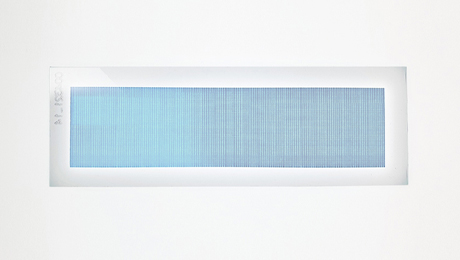
Design fully tailored peptide libraries around your own targets, with complete control over sequence composition, peptide overlap, modifications, and layout for highly specialized studies.
Ideal for
  • Novel targets
  • Proprietary sequences
  • Complex experimental design
  • PTM-focused studies

Built for scalable antibody profiling and epitope discovery

Proteome-scale coverage
Screen complete viral or bacterial proteomes, allergen panels, or focused antigen collections in a single experiment.
Amino-acid level resolution
Map linear or conformational epitopes with overlapping peptide libraries and identify fine binding patterns across target proteins.
High-throughput screening
Analyze thousands of peptides or multiple samples simultaneously under identical assay conditions.
Compatible with multiple workflows
Use arrays for serum profiling, monoclonal antibody characterization, protein-binding studies, biomarker discovery, or assay development.
Most popular

Frequently used standard microarrays

PEPperCHIP® SARS-CoV-2 Proteome Microarray

  • Screen the SARS-CoV-2 proteome including viral variants
  • 5,347 linear 15-mer peptides with a 13-mer overlap
  • Compatible with multi-isotype screening

PEPperCHIP® Autoimmune Human Epitope Microarray

  • 3,723 human epitopes associated with autoimmune diseases
  • 534 citrullinated and 29 peptides acetyllysine
  • Including polio and HA control peptides

PEPperCHIP® Epstein-Barr Virus Peptide Microarray

  • 18 selected antigens of EBV as overlapping linear peptides
  • 5,549 different peptides in duplicates
  • Including polio and HA control peptides
RESEARCH QUESTIONS ANSWERED

How researchers use PEPperCHIP® Standard Peptide Microarrays

From infectious disease profiling to autoimmune biomarker discovery, standard peptide microarrays support diverse applications across immunology and translational research.

INFECTIOUS DISEASES
Clinical outcomes-dependent IgG epitope profiling in HTLV-1 reveals differential recognition of pathogen-derived antigens
Cilento et al. Frontiers in Immunology 2026
CANCER RESARCH
A tumor-binding antibody with cross-reactivity to viral antigens
Campa et al. Cancer Immunology, Immunotherapy 2025
AUTOIMMUNITY
A quantitative and site-specific atlas of the citrullinome reveals widespread existence of citrullination and insights into PADI4 substrates
Rebak et al. Nature Structural & Molecular Biology 2024

Browse standard peptide microarrays by application area

Infectious Diseases

Need help choosing the right peptide microarray?

Whether you need a ready-to-use standard array or a fully custom design, we can help identify the best format for your study goals, targets, and sample types.
Frequently Asked Questions

Before you get started

What is the difference between a standard and custom peptide microarray?

Standard arrays use pre-designed peptide libraries organized around established biological targets, while custom arrays are built entirely around user-defined sequences and experimental goals.

PEPperCHIP® Peptide Microarrays should be stored at 4°C in the dark to ensure optimal stability. When handled properly, arrays remain stable for months. For maximum shelf life, we recommend storage under inert gas atmosphere when possible.

While arrays can theoretically be stripped and reused, stripping efficiency depends on your specific samples and assays. Since we can print multiple array copies per chip, we recommend using fresh arrays for each experiment to ensure optimal and consistent results.
PEPperCHIP® Peptide Microarrays are commonly used with sera, or antibodies, but other samples such as plasma, proteins, CSF etc. can be used as well. We're happy to discuss what's possible in a discovery call.

Sample analysis is done with a fluorescence-based immunoassay, which requires an incubation tray, additional reagents, and a few standard lab equipment. A microarray scanner is needed to get the final readout. You can read more about the protocols and requirements here.

Quote form