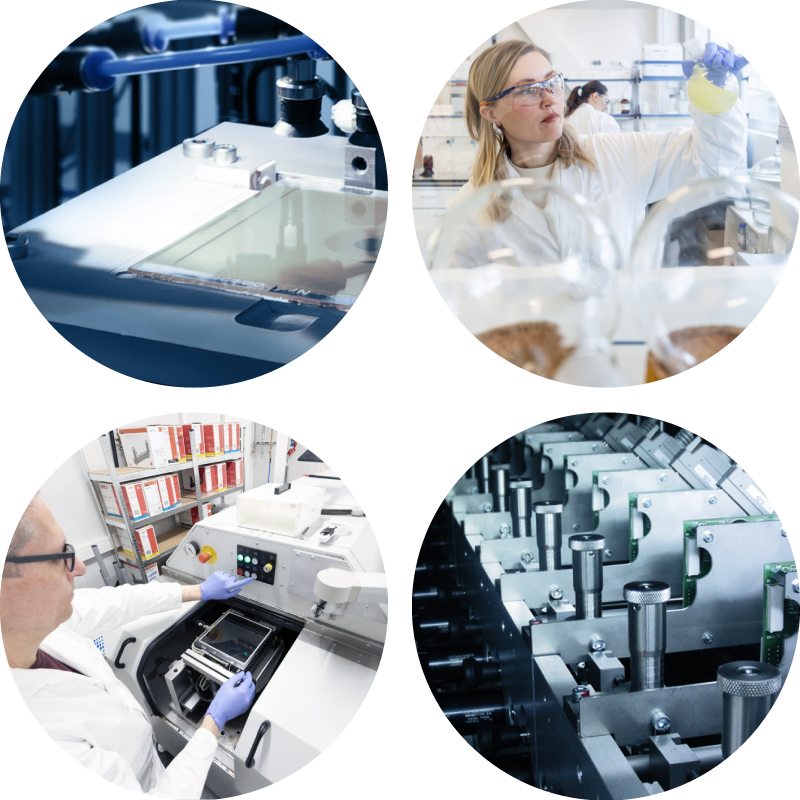
PEPperPRINT began as an academic idea to innovate how peptides are synthesized. Today, we are an independent manufacturer supporting antibody epitope mapping and immunogenicity studies across academia and industry.
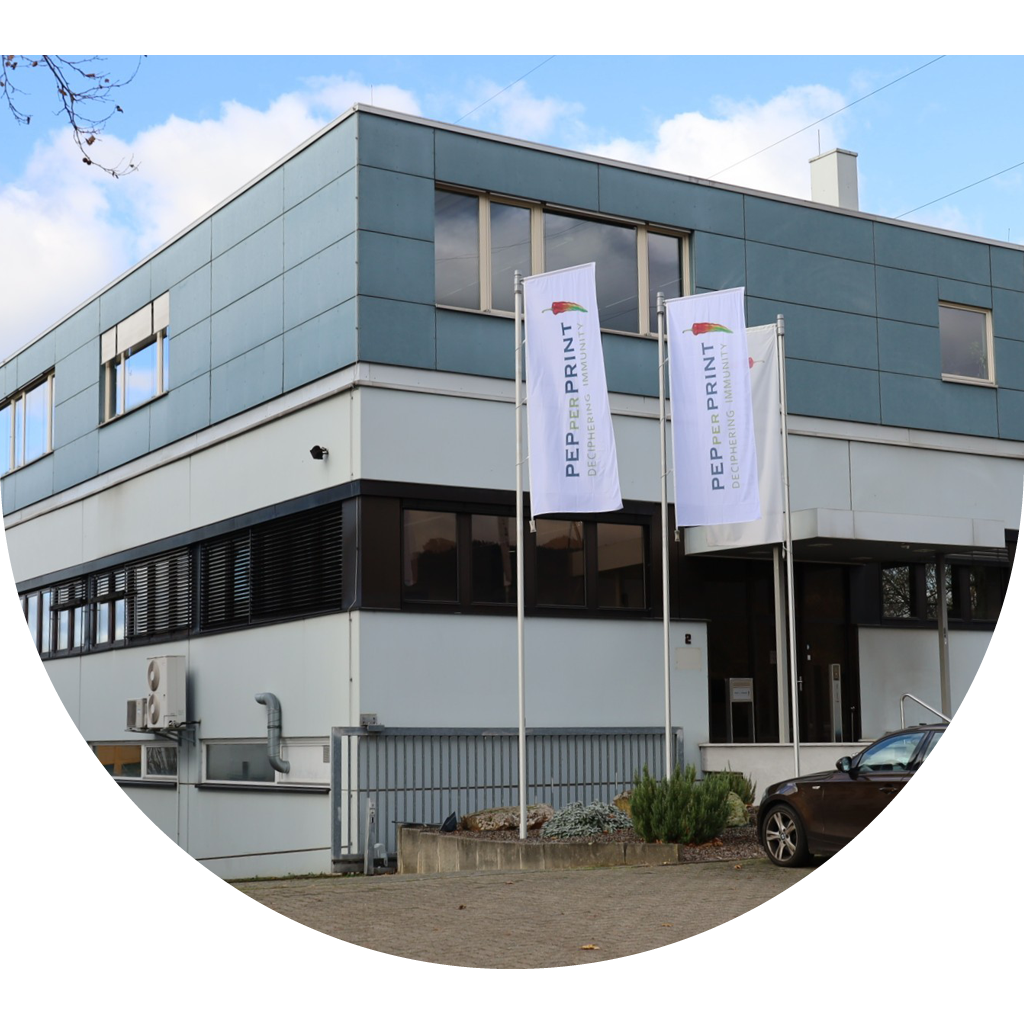
We’re an independent biotech company in Heidelberg, Germany, specializing in high-density peptide microarrays for epitope mapping, immunogenicity analysis, and antibody profiling.
What started with academic roots and an unrelenting focus on getting the science right has grown organically into an in-house technology platform and research partner used across academia, biotech, and pharma.
From custom array design to deep epitope insights, our services help scientists move beyond “binding detected” to “binding understood.”
Peptide microarrays designed for your research questions. High-resolution mapping of antibody binding sites with amino acid precision.
Comprehensive peptide-level profiling for specificity checks, cross-reactivity insights, and comparative immune signatures.
Epitope-level characterization of anti-drug antibody responses to support immunogenicity risk assessment and mitigation.
If your research challenge involves specificity, patterns, or comparing immune response profiles, this is where our antibody interaction expertise can help.
Ideal when you need clarity on what exactly is being recognized at the peptide or residue level.
Designed for broad pattern recognition across antigens, variants, or disease-associated epitopes.
Works equally well in academic inquiry and preclinical pipeline decision-making.
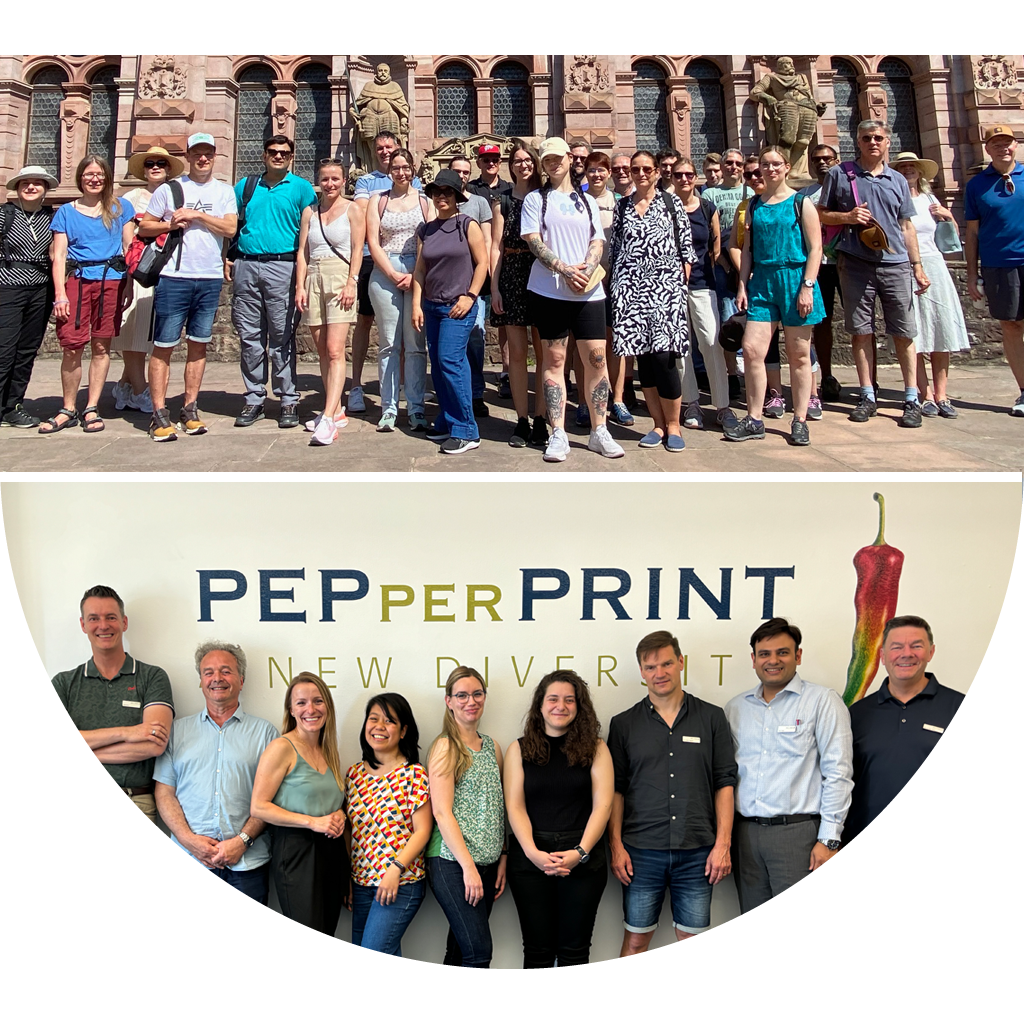
Rooted in academic rigor and built for reproducibility, we engage with your science in a transparent, collaborative way.
We prioritize reproducibility, clear design principles, and transparent interpretation at every stage.
In-house printed peptide microarrays with consistent quality control and ISO 9001-aligned processes.
From offering flexible solutions to in-house trainings, our goal is to use our experitise to help push your science forward.
PEPperPRINT didn’t start in a boardroom, but in a lab. Here, a small team developed a way to print peptides with a laser printer, enabling fast and efficient antibody and serum testing.
Today, we are a trusted partner for scientists worldwide, offering peptide microarrays, epitope mapping, substitution scan analysis, and even T-cell assays. Our unique combinatorial peptide synthesis approach makes our technology fast and robust, and it is protected by a strong patent portfolio, giving us the freedom to operate and innovate.
This is our story.
Annemarie Poustka, group leader at the German Cancer Research Center Heidelberg (DKFZ) starts research on large-scale peptide libraries.
Her team member Frank Breitling proposes printing peptides using a laser printer. Breitling invites Ralf Bischoff, another researcher at DKFZ, to join the project.
Breitling & Bischoff establish an IP platform. Volker Stadler and Simon Fernandez, both chemists, join the team.
Klaus Leibe (engineering) and Thomas Felgenhauer (chemistry) join Poustka’s group.
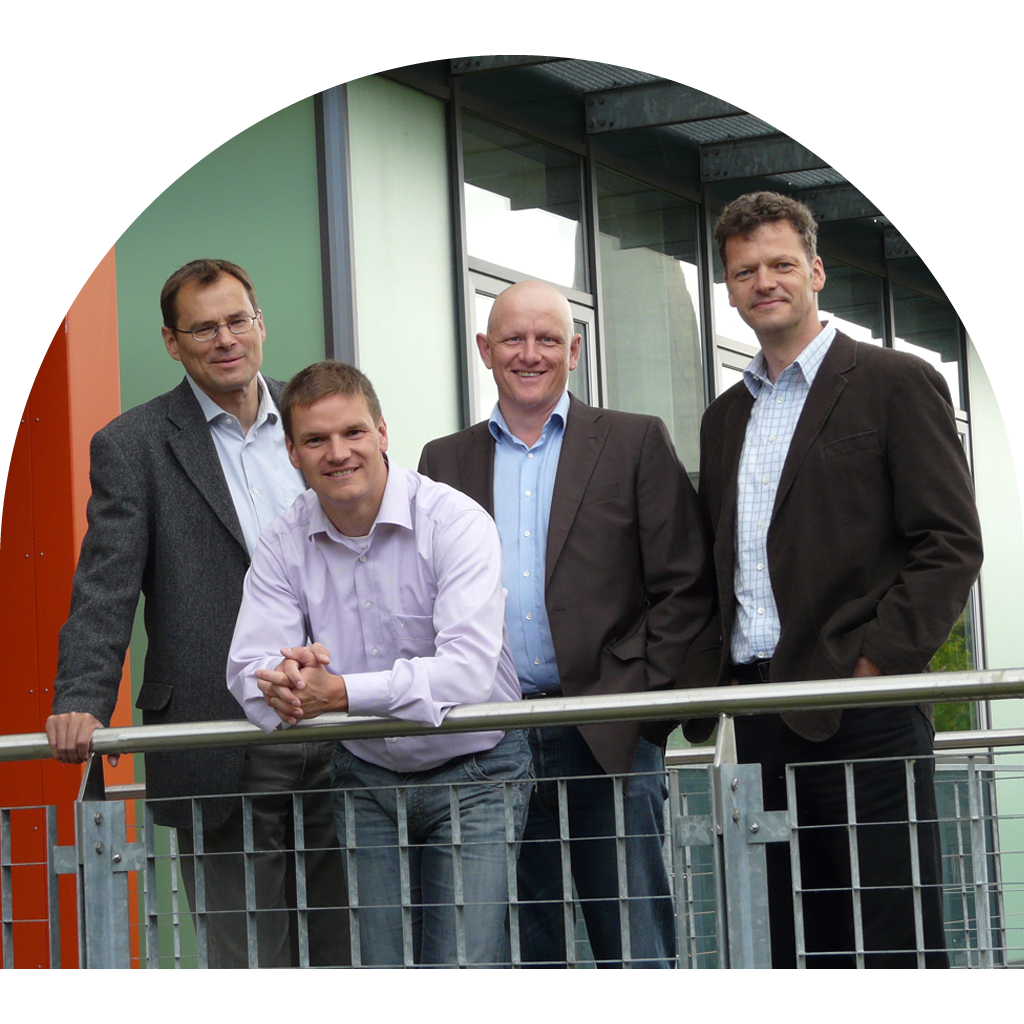
Supported by Nobel laureate Harald zur Hausen, the interdisciplinary team “Chip-based Peptide Libraries” is formed under Breitling, Bischoff and Stadler, including experts from physics, chemistry, engineering, and biosciences.
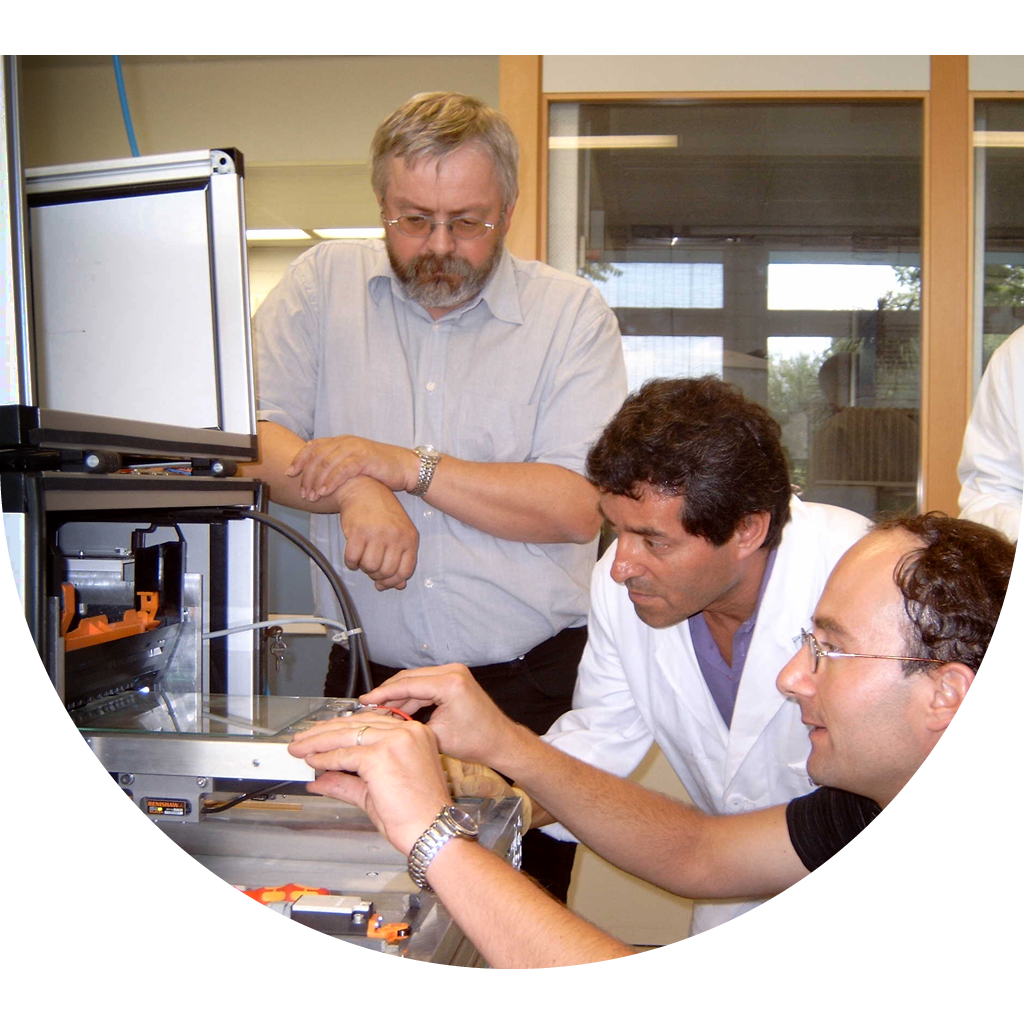
EU and BMBF funding enables the development of the first-generation peptide laser printer under the collaboration with Fraunhofer IPA Stuttgart.
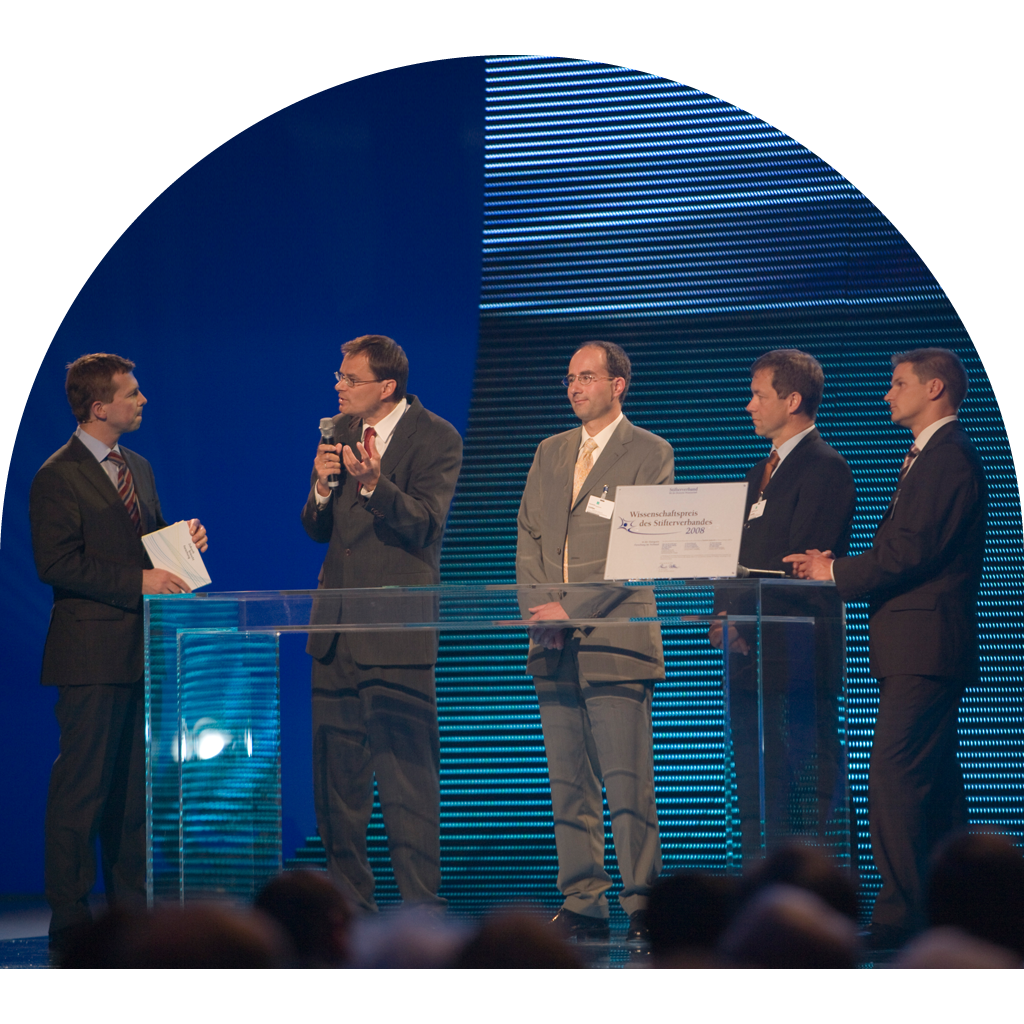
The work is published in Science and Angewandte Chemie; the team receives the Stifter Prize for pioneering peptide laser printing.
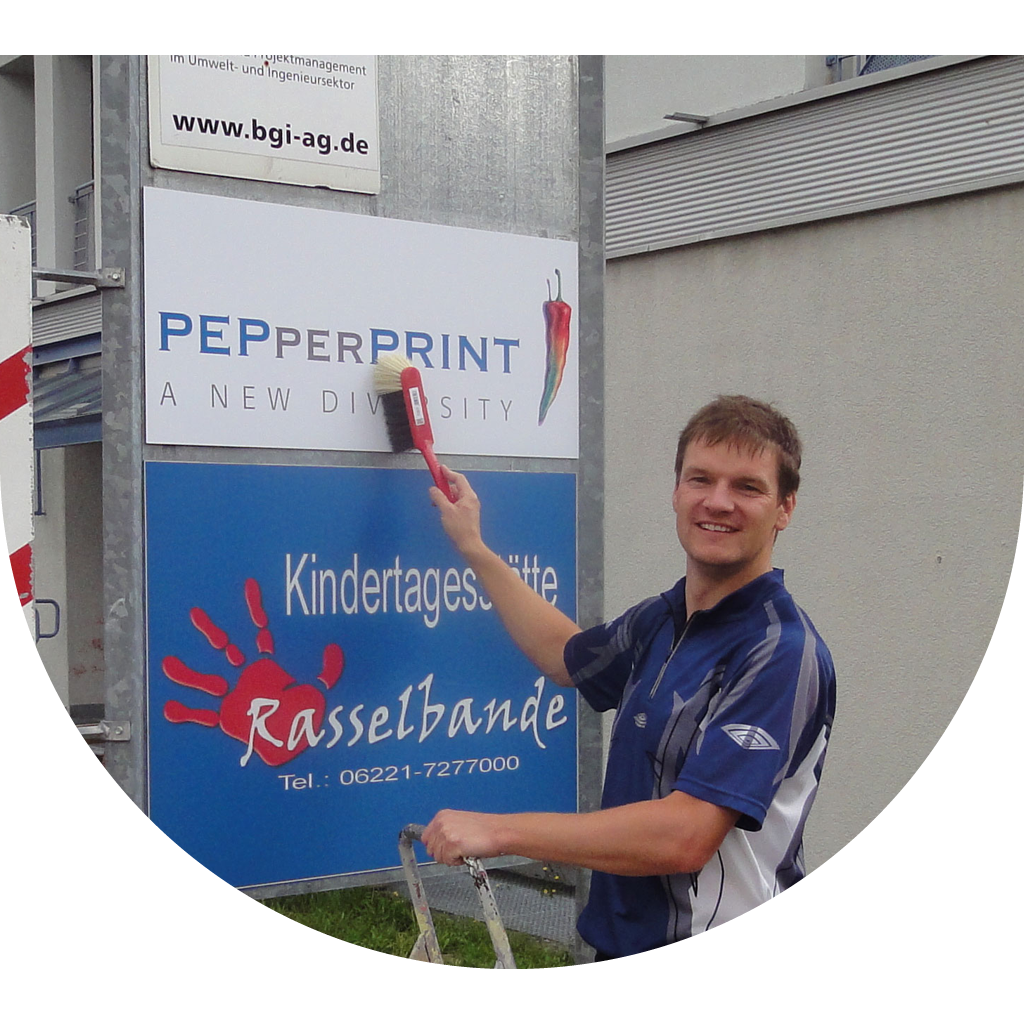
PEPperPRINT moves to its first headquarters in HD-Wieblingen and becomes operational with Stadler as CEO, Bischoff as CSO and Felgenhauer as Head of Manufacturing.
The company receives an Innovation Award and funding by High-Tech Gründerfonds. The first off-the-shelf PEPperCHIP®️ Microarray and PEPperMAP®️ Services are launched.
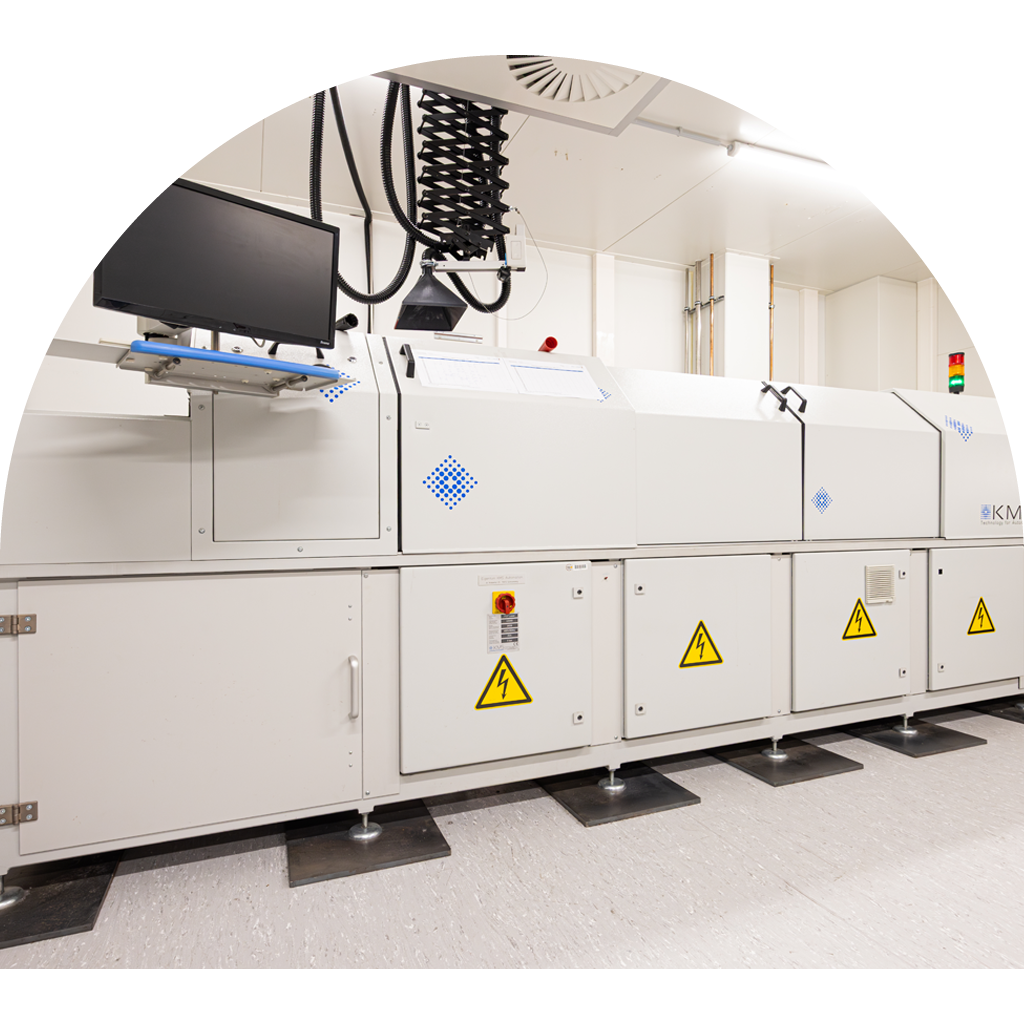
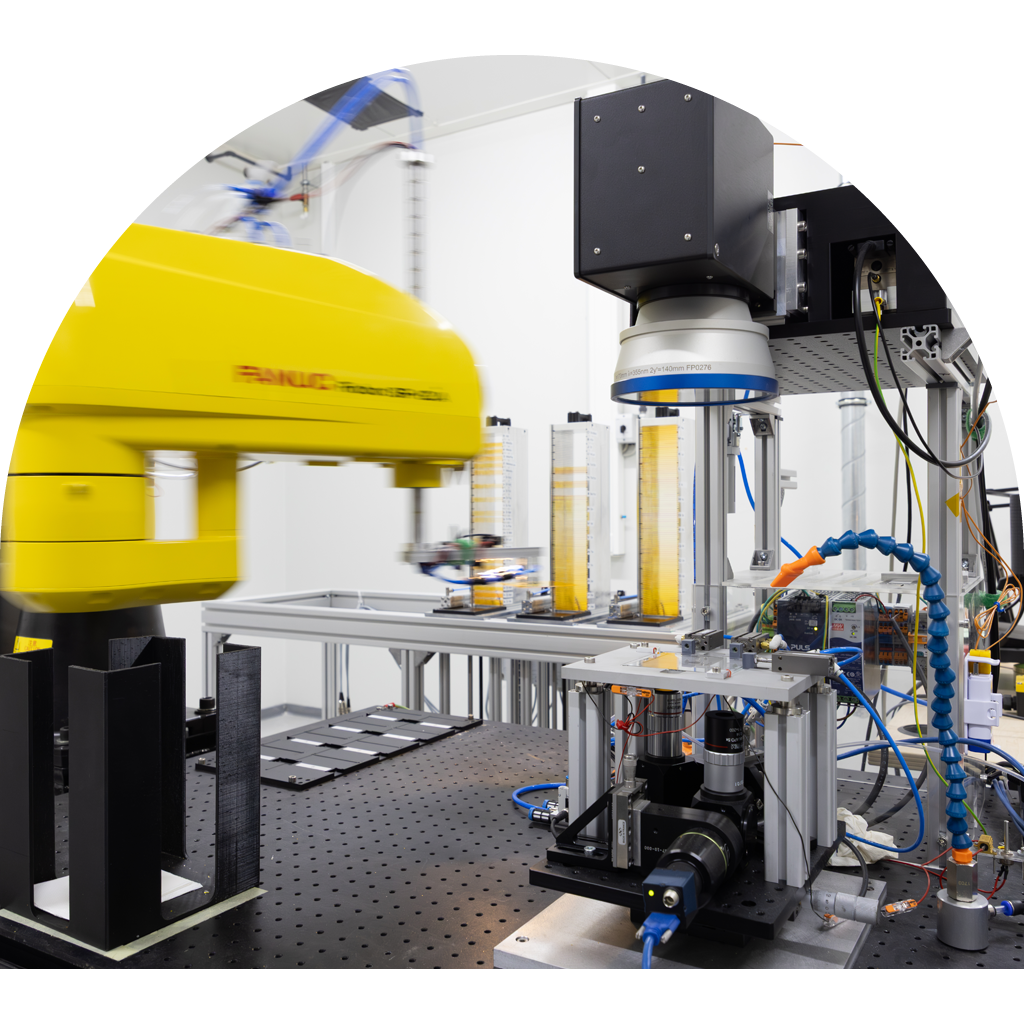
With EU funding, a second-generation laser printer is developed together with the Fraunhofer Institute IPA in Stuttgart, built by KMS, and installed at the Heidelberg-Wieblingen headquarters. It offers higher throughput and remains at the heart of the company to this day.
The company grows to 9 employees, introduces ISO 9001 quality management, reaches break-even, and starts steady growth.
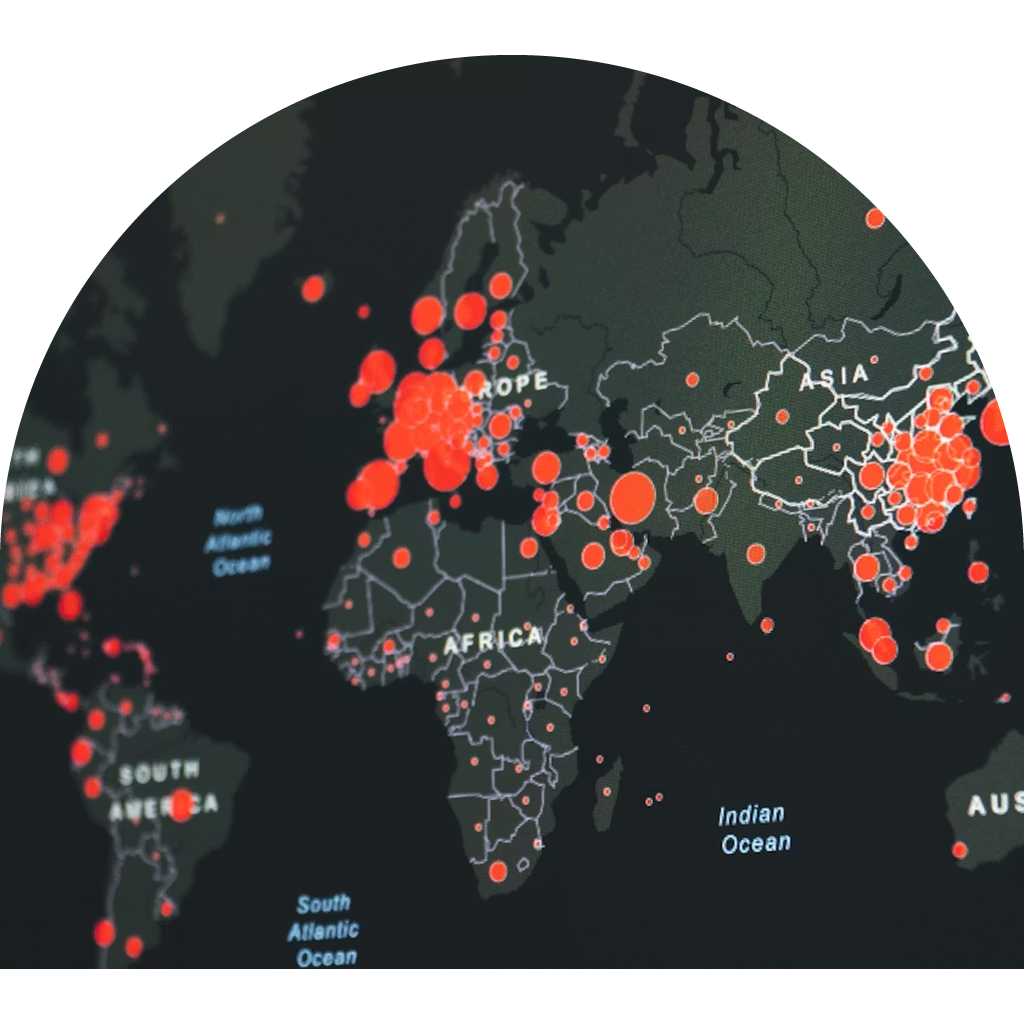
PEPperPRINT acts quickly during the pandemic, developing SARS-CoV-2 peptide microarrays and supporting the global research community. Collaboration with Christian Drosten (Charité Berlin) on a proteome-wide study reveals COVID-19 epitope signatures.
Acquisition of 1,345 sqm of premises in Heidelberg-Rohrbach. The new building offers additional space for the growing team and company facilities.
The launch of T-cell services complements antibody and serum profiling for full immune monitoring solutions.
By now, the company’s products appear in over 300 publications, including Science and Nature, demonstrating international recognition. Additionally, PEPperPRINT reaches 30 employees and 6 international sales partners for the first time.
PEPperPRINT celebrates its 15th anniversary with the launch of a new peptide microarray platform, combinatorial laser-induced forward transfer (cLIFT). It was co-developed with Max Planck Institute of Colloids and Interfaces and KIT, enabling advanced peptide printing including phosphorylated amino acids.
Where does an antibody bind? Which epitopes matter in infection or immunogenicity?
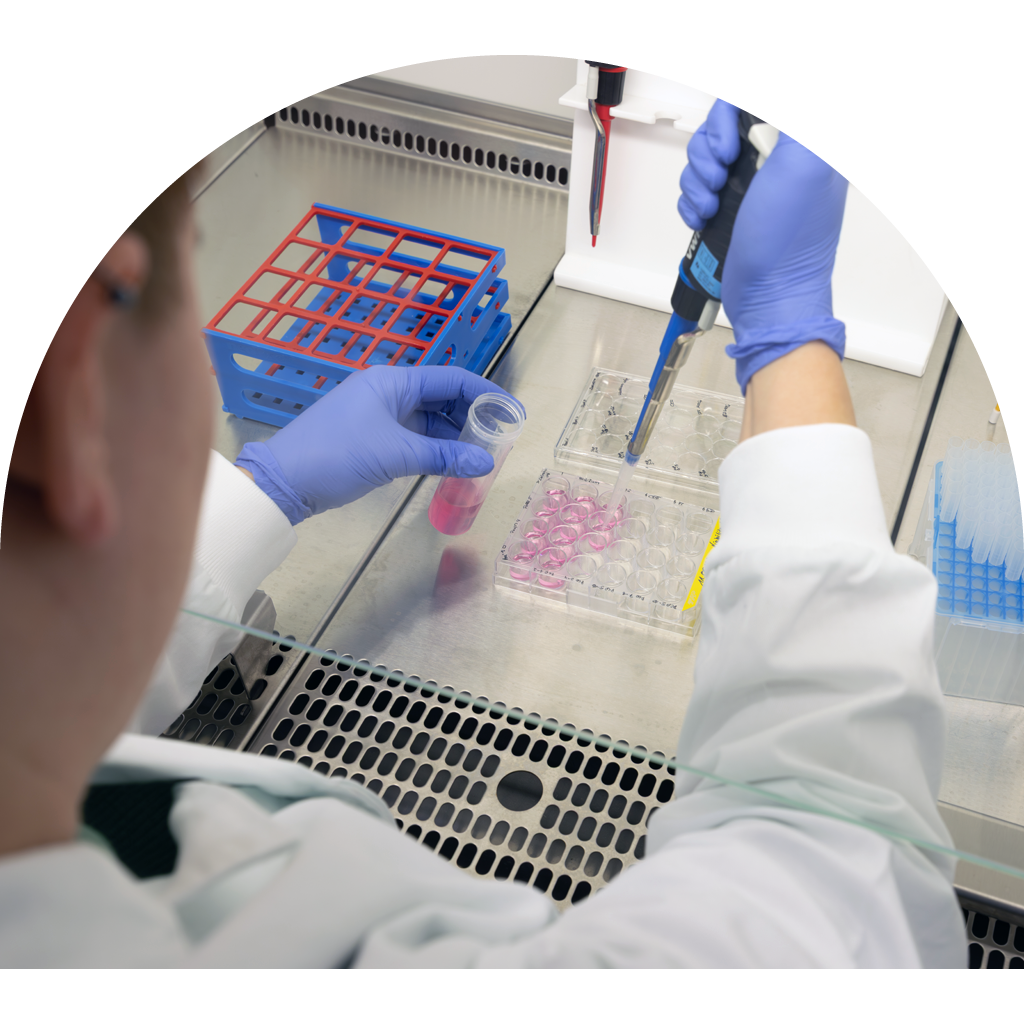
Our on-chip peptide synthesis enables rapid, high-throughput, and fully customizable peptide microarrays designed to answer exactly those questions.
For epitope mapping, that means single amino acid shift peptide libraries. For broader profiling, it means proteome-wide content, targeted panels, or focused libraries tailored to your research question and sample type.


If peptide microarrays could help clarify specificity, cross-reactivity, or immunogenicity in your project, we’re happy to discuss next steps.
Get the latest from PEPperPRINT – new applications, publications, and product news – straight to your inbox or feed.