
Laser-based peptide synthesis that combines precision, throughput, and flexibility. From targeted libraries to entire proteomes, our technology delivers high-resolution peptide microarrays for whatever your research demands.
Instead of using liquid droplets or preparing large peptide libraries for spotting, we developed laser-based methods to directly transfer amino acid material onto glass slides. This enables us to build peptides one amino acid at a time, straight onto the actual immunoassay tool.
Combining laser precision with microarray scale, our on-chip synthesis approach reduces material consumption while maintaining peptide quality, and it is the physical basis of the platform’s density and flexibility.
The PEPperCHIP® platform combines laser printing technology with solid-phase peptide synthesis (SPPS), allowing us to go from peptide library design to microarray chip in as little as 4 weeks.
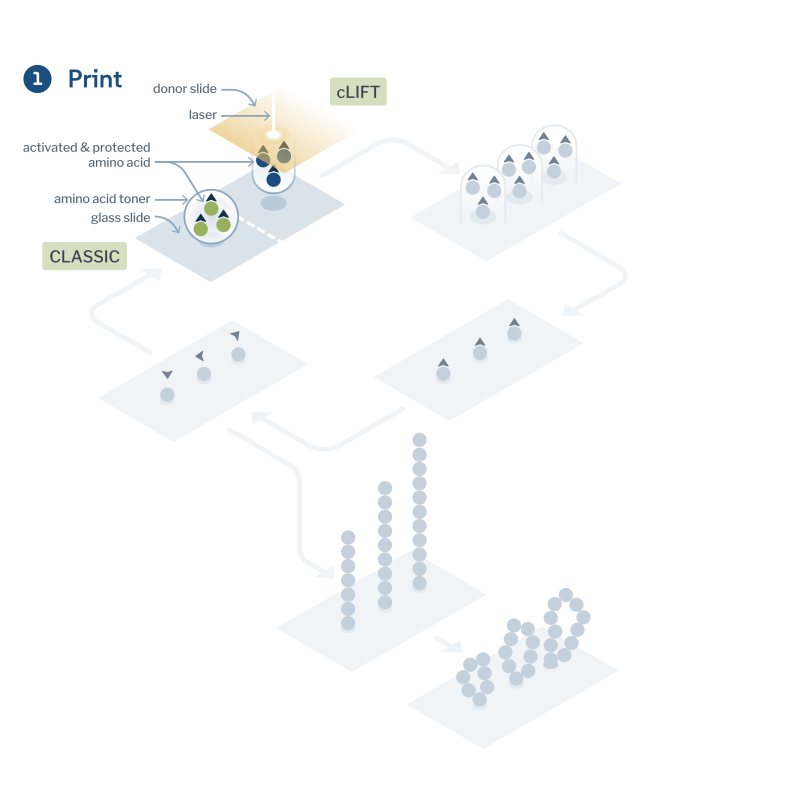
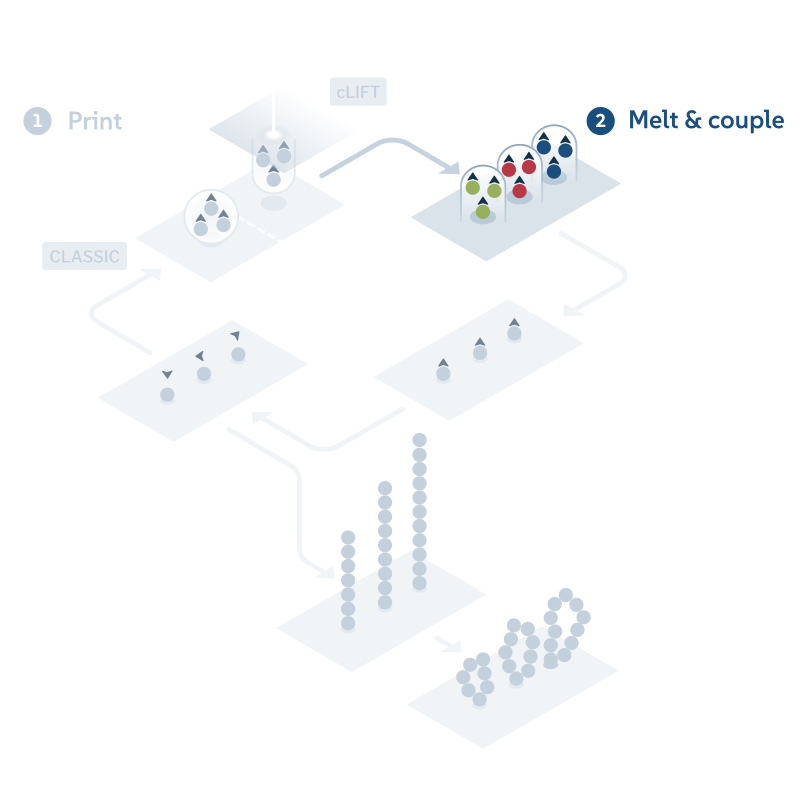
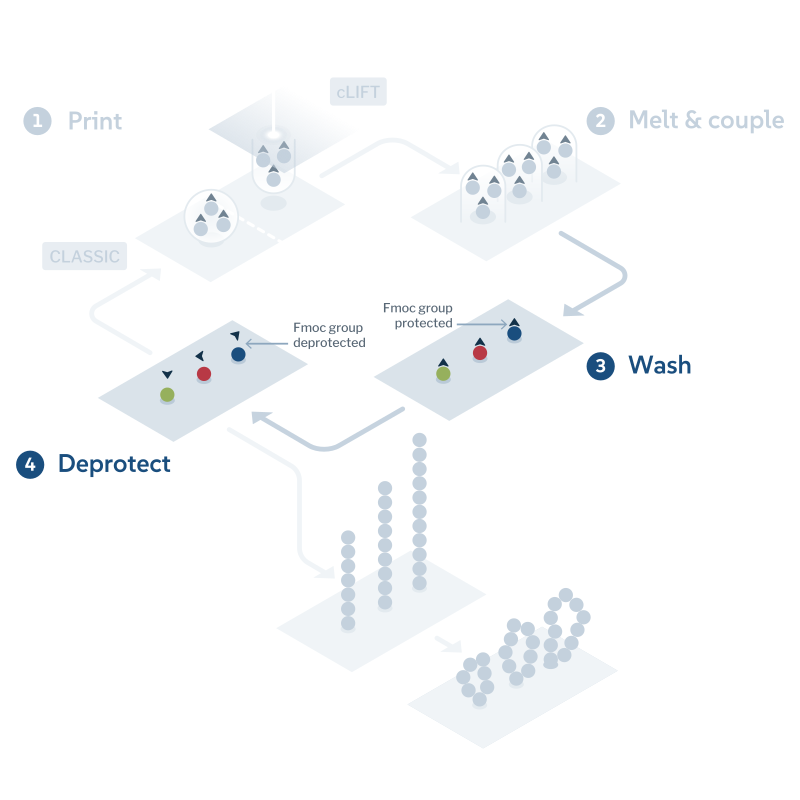
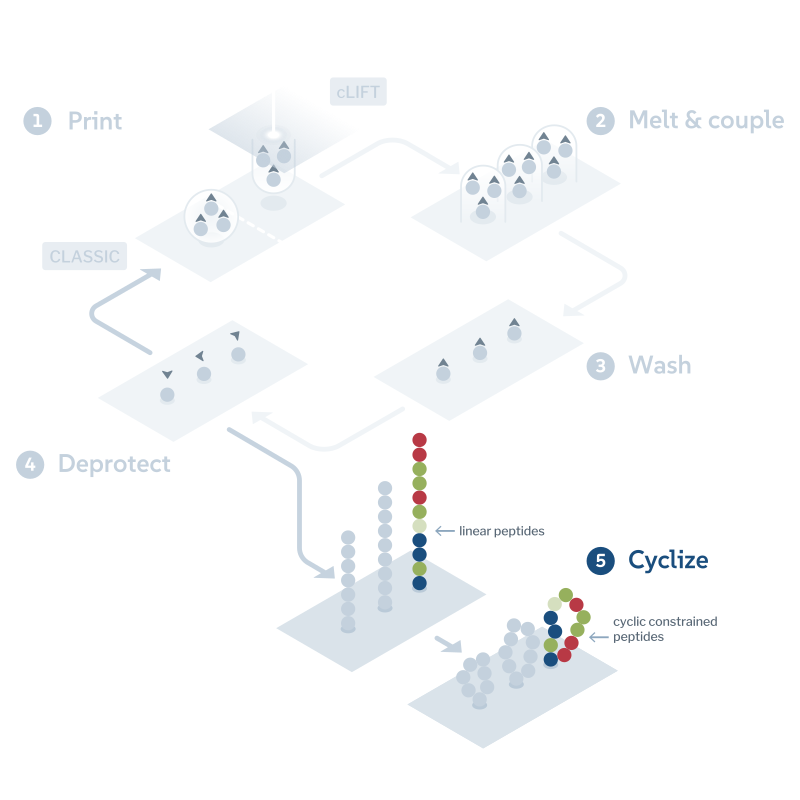
Epitope mapping and immune profiling projects often require screening hundreds to thousands of peptide candidates. Traditional methods like multiwell plates, pre-made arrays, SPOT synthesis force trade-offs between throughput, flexibility, and cost. On-chip synthesis delivers all three: high-density screening, custom sequences, and efficient material use in a single microarray format.
PEPperCHIP® Peptide Microarrays |
Traditional peptide assays (e.g., ELISA, individual synthesis) |
|
|---|---|---|
| Throughput | From 11,000 (Classic) to 45,000 (cLIFT) peptides per chip | Typically 96-384 peptides for multiwell plate assays |
| Peptide production | Synthesized directly on the assay tool | Each peptide synthesized, purified, and handled individually |
| Material consumption | Low; uses on-demand synthesis | Larger quantities required per peptide synthesis and assay |
| Sequence and chemistry flexibility | High; any custom amino acid sequence (e.g., substitution or mutation scans, PTMs) | Moderate-high depending on synthesis methods; variants require separate synthesis |
| Cost | Low; pay per chip regardless of number of peptides | Moderate-high; pay per peptide |
| Assay context | All peptides tested simultaneously under the same conditions | Plate-to-plate variability across experiments |
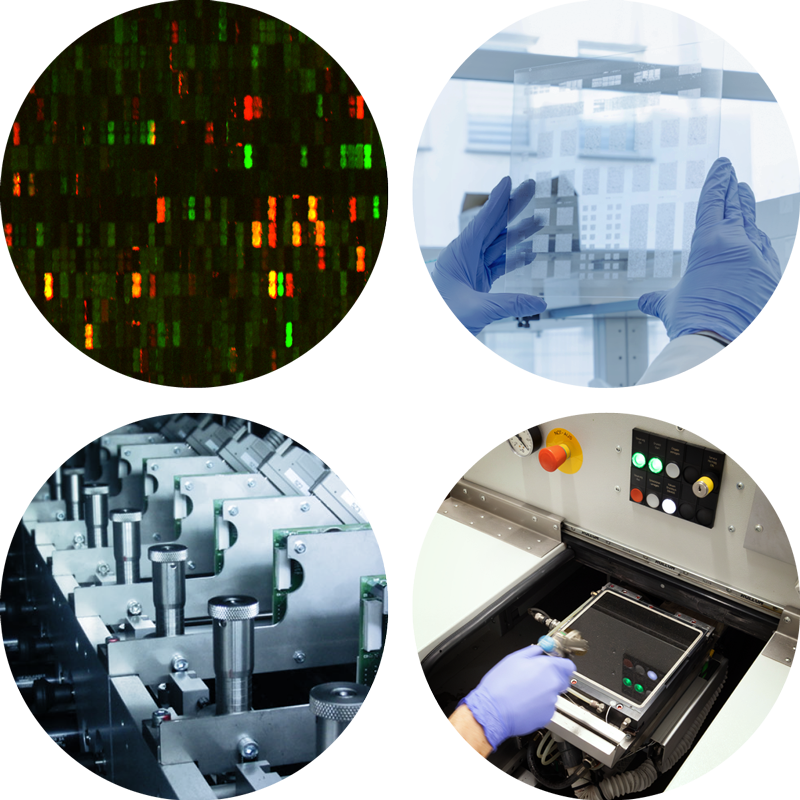
The classic PEPperCHIP® platform combines laser precision with solid-phase peptide synthesis at scale, producing quality microarrays ideal for proteome-scale epitope mapping, large antibody panels, and comprehensive screening studies.
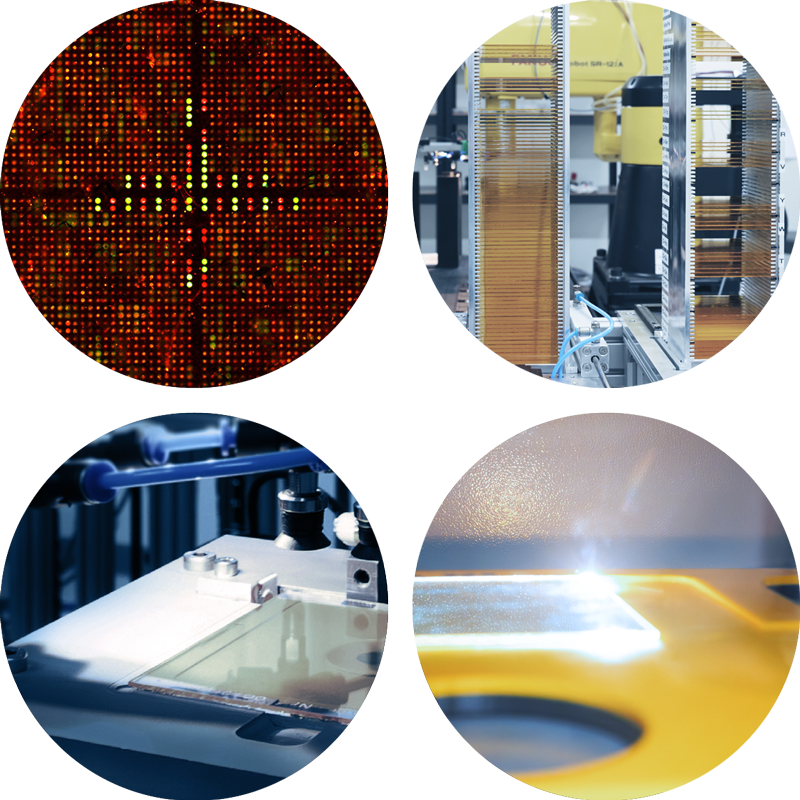
Combinatorial Laser-induced Forward Transfer (cLIFT) is our latest innovation to the PEPperCHIP® platform. Using donor slides for monomer transfer, cLIFT expands our on-chip peptide synthesis capabilities across multiple fronts.
For some, yes. Our peptide modifications are achieved by incorporating special amino acid monomers (you can see the full list here) which are chemically modified following additional reaction steps, often after the full-length peptide has been synthesized. Some of these reactions are more compatible than others. But since our synthesis method use selective deprotection for the systematic addition of site-specific modifications, it’s possible to test multiple modifications on the same array. We cover these details during the microarray design discussions to ensure we have the best possible study design to address your research question.
In addition to the 20 L- and D- amino acids, we also have a variety of special building blocks that let us build modified peptides either via specialized monomers (e.g., citrullinated residues) or additional chemical modifications (e.g., phosphorylation). See the full list here.